A mesothelioma diagnosis can be overwhelming; especially with looming medical expenses and the frustration of knowing the disease could be traced to asbestos exposure from your job, from activities such a washing asbestos-laden clothing or from the use of talcum powder. A trusted and experienced lawyer can help victims of asbestos-related diseases and their loved ones receive the justice they deserve.
Few law firms are more respected in the field of asbestos litigation than Weitz & Luxenberg. Our firm stands behind victims of asbestos exposure, helping them through a confusing and difficult time. We prize personal client relationships and handle the majority of the legal burden, so victims of asbestos exposure can focus on their health and loved ones.
”These attorneys give you confidence. They know what they're doing and how to do it properly. They help you feel that things are going to turn out alright.”
John Pilla's Story

With almost 40 years of experience in asbestos litigation, we provide compassionate, skilled representation to victims of asbestos exposure.
Our firm has handled more than 33,000 asbestos cases, taking on about 500 cases each year from clients nationwide.
A powerful legal engine, we offer a virtual army of nearly 500 dedicated lawyers, paralegals and support professionals, many focused solely on asbestos cases.
Weitz & Luxenberg has over 100 attorneys — many focused solely on asbestos cases.
Meet More Attorneys
Partner and Practice Group Chair
Mesothelioma and Asbestos
Charles M. Ferguson, Esq., has been fighting for asbestos victims’ rights for more than 25 years. He joined Weitz & Luxenberg in 1989 as an associate attorney in our Asbestos Litigation group, and now he helps manage the firm’s asbestos practice.
Partner
Mesothelioma and Asbestos
Named a “New York Super Lawyer,” Jerry Kristal is the managing attorney of our firm’s New Jersey office, and he plays an active role in our asbestos cases. Some of the verdicts he has obtained are among the highest against U.S. asbestos defendants.
For a free consultation and more information about your legal options, please contact us today.

Mesothelioma patients diagnosed each year

Minimum time period after asbestos exposure for mesothelioma to appear

Mesothelioma cases start in the chest

Average age at the time of pleural mesothelioma diagnosis
Mesothelioma is an aggressive cancer that forms on protective linings of the chest, the abdomen, the heart and the testicles.1 Many of the 3,000 new cases diagnosed in the U.S. each year can be traced to job-related asbestos exposure.2 3
Mesothelioma usually takes anywhere from 20 to 50 years to develop. Unfortunately, there is no cure for mesothelioma, and the risk of developing the deadly cancer does not diminish over time, even after the exposure to asbestos ends.3
Weitz & Luxenberg attorneys advocate for men and women whose lives were ruined or altered by asbestos. Many of them are spouses of someone with mesothelioma, and sometimes they are veterans who encountered asbestos while serving in the U.S. military. Though asbestos use in the U.S. has dropped dramatically in recent decades, asbestos is still present in older homes and buildings, including some schools. Asbestos is also still used in products such as automobile brakes and roofing materials and is contained in talcum powder products.
The U.S. Occupational Safety and Health Administration (OSHA) has estimated that millions of employees deal with risk in their jobs. Workers in construction and general industries face significant asbestos exposure on the job. People at risk for asbestos exposure in the workplace include some miners, factory workers, insulation manufacturers and installers, railroad and automotive workers, ship builders, gas mask manufacturers, plumbers, firefighters, and construction workers.1 5
In a historic court victory, Weitz & Luxenberg won a verdict of $75 million on behalf of 36 shipbuilders exposed to asbestos at the Brooklyn Navy Yard in the 1940s and 50s.

Many asbestos victims trace their illnesses back to the military. In fact, veterans account for an estimated 30 percent of those diagnosed with mesothelioma each year.
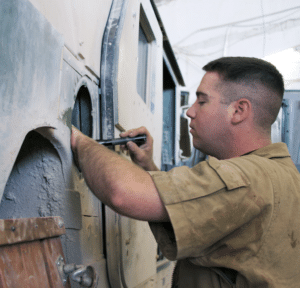
In two separate asbestos cases, Weitz & Luxenberg won $190 million for a group of five boiler company workers and $49 million for a boilermaker who suffered from mesothelioma.

Many auto parts, including brakes and clutches, can release asbestos fibers when they start to break apart or disintegrate due to wear and tear or when they are removed and replaced.

Weitz & Luxenberg won a $35 million verdict on behalf of an asbestos-removal worker who died from complications related to mesothelioma.
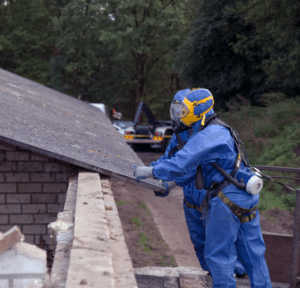
Toxic asbestos fibers can collect on clothing, especially in asbestos-heavy work environments. This contaminated clothing can easily pollute the home, placing children and family members at risk of developing asbestos-related diseases.

Weitz & Luxenberg has represented more than 33,000 individuals and families who have been affected by asbestos exposure, giving our firm a deep knowledge of worksites across the U.S.
Our firm investigates each case, in an effort to track down the source of asbestos contact. Because we have worked on so many asbestos cases, we’re experts at investigating and determining where people were exposed to asbestos, what products they were exposed to and what company is responsible.
The ability to resist corrosion and high temperatures made asbestos a go-to material for building, repairing, and maintaining ships.
Power and chemical plants were rich with asbestos. Employees wore asbestos clothing for protection from heat and chemicals.
With its heat-resistant qualities, asbestos was viewed as ideal for protecting workers and machinery in the metal works industry.
Both commercial and residential construction relied heavily on asbestos products — it was on roofs, in tile, and mixed with cement.
Veterans who served in certain occupations may have been exposed to asbestos, according to the U.S. Department of Veterans Affairs. 15
Workers made an estimated 3,000 products using asbestos, and the industrial uses of the material were virtually endless.

We’ve developed winning methods to explain to juries the complicated scientific and medical issues involved in your case. Equipped with our unique insight into asbestos companies and lawyers, we’ve won more than $8.5 billion in asbestos settlements and litigation.
In addition to being a pioneer in asbestos litigation, our firm is in the forefront of asbestos legislation, championing laws that protect the rights of current and future asbestos victims.
Decades have passed since you were first exposed to asbestos, but you’re just now dealing with newly diagnosed mesothelioma. You have legal options to seek compensation, but filing a lawsuit with so much elapsed time is hard. Let us help you.
Weitz & Luxenberg is responsible for some of the most significant asbestos verdicts in history — verdicts that bring justice to victims and send a powerful message to companies that ignored the effects of asbestos.
Attorneys’ passion gets largest NYC award for hardworking clients.
Asbestos removal worker gets verdict against Crane Co.
$25 million to 2 N.Y. mesothelioma victims.
You may be entitled to legal compensation. We would be honored to represent you.
We have locations across the country to conveniently serve our clients.
If you or a family member feel that they may have been affected by Mesothelioma,
feel free to contact us, so that we can fight for you.
* While our past record doesn’t guarantee future success, it is something you may want to consider when evaluating our experience.